

Defensible Space That Protects Your Property
Fire Mitigation in Brighton for homes and buildings where dense vegetation increases wildfire risk and limits access
Rocky Ground LLC provides fire mitigation services in Brighton for property owners who need to reduce wildfire exposure by removing excess vegetation and creating defensible space around structures. You need mitigation work that removes brush, small trees, and dense undergrowth that can fuel fires and threaten buildings, while improving access for emergency responders. Whether you own a rural home, a commercial property near wooded areas, or land that requires proactive fire planning, mitigation is the work that reduces ignition risk and helps protect your investment.
Fire mitigation involves selectively removing vegetation within specified zones around structures, thinning overgrown areas, and clearing ladder fuels that allow ground fires to reach tree canopies. In Brighton and surrounding areas, mitigation work must account for slope, vegetation type, and proximity to structures. The team uses equipment designed to remove brush and small trees safely while preserving larger trees that provide shade and stability, and the work is coordinated with property owners to ensure mitigation boundaries and vegetation removal match fire planning goals.
If your property requires fire mitigation work that reduces wildfire exposure and improves safety, contact Rocky Ground LLC to discuss site conditions, vegetation density, and mitigation priorities.
How Mitigation Work Reduces Fire Risk
You need mitigation work that removes vegetation in a way that slows fire spread, reduces flame intensity, and creates space for firefighters to defend structures. The process begins with assessing vegetation within defensible space zones, identifying high-risk fuels such as dead brush and dense undergrowth, and determining how much thinning and clearing is needed to meet fire safety standards. Equipment such as excavators with brush cutters, chippers, and hand tools remove vegetation and process material on site or load it for hauling, depending on access and project requirements.
After mitigation is complete, you will see a property where vegetation is spaced to prevent fire from moving quickly toward structures, ladder fuels are removed so ground fires cannot reach tree crowns, and access routes are clear for emergency vehicles. Rocky Ground LLC ensures that mitigation work matches the vegetation removal and spacing guidelines appropriate for your property, so your home or building has improved protection against wildfire ignition and flame contact.
Fire mitigation does not include ongoing landscape maintenance, structure hardening, or fire suppression system installation. The work focuses on reducing vegetation that increases fire risk and creating defensible space that supports firefighting efforts. Properties with steep slopes, protected species, or limited access may require specialized equipment, phased clearing, or additional coordination with fire departments and land management agencies.
What to Expect During Fire Mitigation
Fire mitigation projects vary in complexity depending on property size, vegetation density, and proximity to wildfire-prone areas. The following questions address common concerns about the process, outcomes, and ongoing management involved.
What vegetation is removed during mitigation?
Brush, small trees, dead wood, and dense undergrowth are typically removed, with larger trees thinned and lower branches pruned to reduce ladder fuels and improve spacing.
How long does mitigation take for a residential property?
A typical home site with moderate vegetation can be mitigated in one to three days depending on acreage, brush density, and whether material must be chipped or hauled from the property.
Why does spacing matter for fire safety?
Proper spacing between trees and shrubs slows fire spread, reduces flame height, and makes it harder for fires to jump from vegetation to structures or from ground level to tree crowns.
When should mitigation be scheduled?
Mitigation is most effective when completed before fire season and repeated periodically as vegetation regrows, with timing coordinated to match local fire risk levels and property access conditions in Brighton.
What happens to removed vegetation?
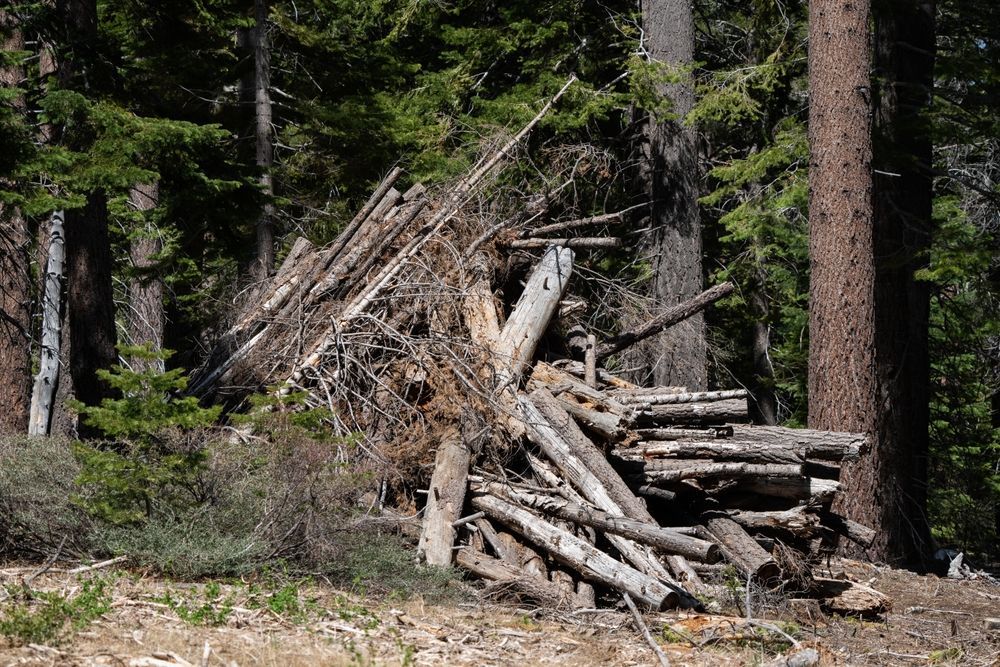
Brush and small trees are typically chipped into mulch or hauled to disposal facilities, with material management planned to minimize debris piles that can become fire hazards if left on site.
Fire mitigation reduces wildfire risk and helps protect your property from ignition and flame contact, and proactive work improves safety for both residents and emergency responders. If your property requires mitigation work that addresses vegetation density and fire exposure in Brighton, reach out to Rocky Ground LLC to review site conditions and confirm mitigation scope and timing.